
SPORTS AS MEDICINE
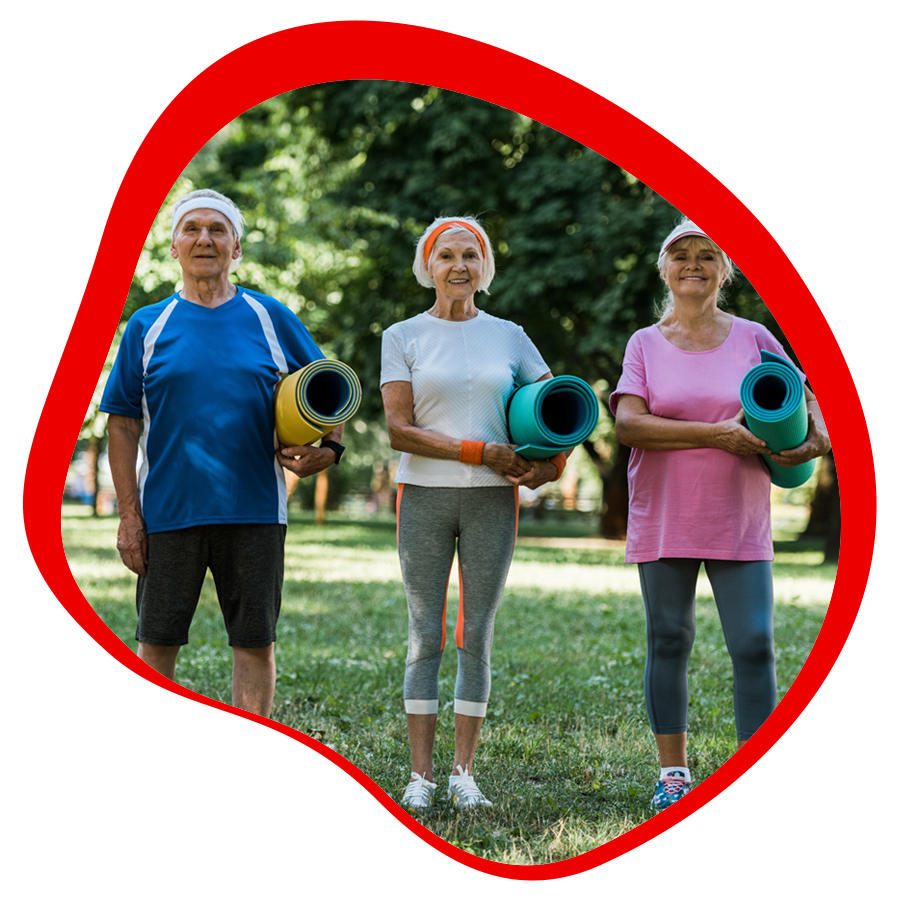
Physical inactivity is one of the leading causes of premature death worldwide. Although the health benefits of exercise are well known, most people – especially those with chronic conditions – remain inactive. This manual is designed to help coaches and volunteers support individuals with conditions like obesity, heart disease, cancer, and arthritis through safe, enjoyable, and sport-based exercise. The approach focuses on gradual progression, personalization, and building long-term adherence. With proper guidance, even low-intensity physical activity can significantly improve health, well-being, and quality of life.
Explore the Sports
BADMINTON
BASKETBALL
BOXING
Boxing can have both physical and psychological benefits for patients. These include the enhancement of cardiovascular health, better coordination, improved total-body strength, increased stamina, release of aggression, decreased stress and improved body composition (reduced fat).
BMX
The sport of BMX is a type of off-road bicycle racing derived from the sport of moto-cross. A BMX track is a purpose built off-road single lap track with a series of ramps and jumps. BMX racing is facilitat- ed by a number of regional and international sanctioning bodies. They provide rules skill-level classifications among the racers, and maintain some kind of points-ac- cumulation system over the racing season.
DANCE
Many different forms of dance have been utilised by health scientists to improve fitness in patients with of many different diseases. Patients with cancer, heart disease and arthritis who are involved in dance may significantly improve various different parameters of their health with very promising results in their overall health and quality of life. More dynamic types of danc- ing (such as break dancing), can also be adapted to patients’ needs by reducing the intensity of the movements and focusing on technique. However, dance is suitable and beneficial for all patients groups.
FOOTBALL
Soccer is one of the most popular sports played worldwide and has a wide range of participants. People of all ages take part in football ranging generally from 5 to 60 years. Football is also a mixed ability sport, with the range of ability varying from professionals who play internationally to amateurs who play locally. Football is mainly played by able bodied people; however, variations of the game have been created for people who have disabilities such as blind, confined to a wheel chair as well as patients with chronic diseases.
GYMNASTICS
Gymnastics combines physical skills such as body control, coordination, dexterity, gracefulness, and strength with tum- bling and acrobatic skills, which has further evolved from exercises that included skills for mounting and dismounting a horse, and from circus performance skills developed to be performed in an artistic manner. If a patient wishes to be involved in gymnastic training, only certain aspects of the training demands can be used with the aim of making the patient more physically active, stronger and more flexible.
KARATE
Karate has become one of the most popular martial arts in recent years and has spread all over the world, with local clubs competing in national and world championships. Due to the nature of the sport, people of all ages are able to participate whether they have chronic diseases or not. There are two main categories; Kumite (sparring) and Kata. Individuals during training are taught a number of techniques which are formed in to combinations to mimic a fighting situation called Kata; each style has their own variations which mean that training for Karate can be tailored to the patients’ needs.
SWIMMING
Swimming is a sport that uses the majority of the muscles in the body and has different styles: these are the butterfly, the breaststroke, the backstroke and the freestyle (front stroke). In general, the physiological training demands of any type of competitive swimming style are high, with competitive swimmers training for long periods of time (2 to 3 hours) for 5-6 days a week. However, the aim of introducing and promoting competi- tive swimming to patients with chronic diseases is not advisable in the first instance.
TENNIS
Tennis is a very fast moving game and some of the body movements needed require participants/athletes to have a larger range of motion in order to hit the tennis ball back to their opponent. Tennis is mainly focused on explosive powerful movements, moving at high intensities, rapid changes in direction and sudden deceleration or stopping. The muscles need to be well trained and prepared for such movements, which can be developed through exercise. If the muscles and joint structures are not prepared for such intensive movements, injuries may occur.