Train the Trainer
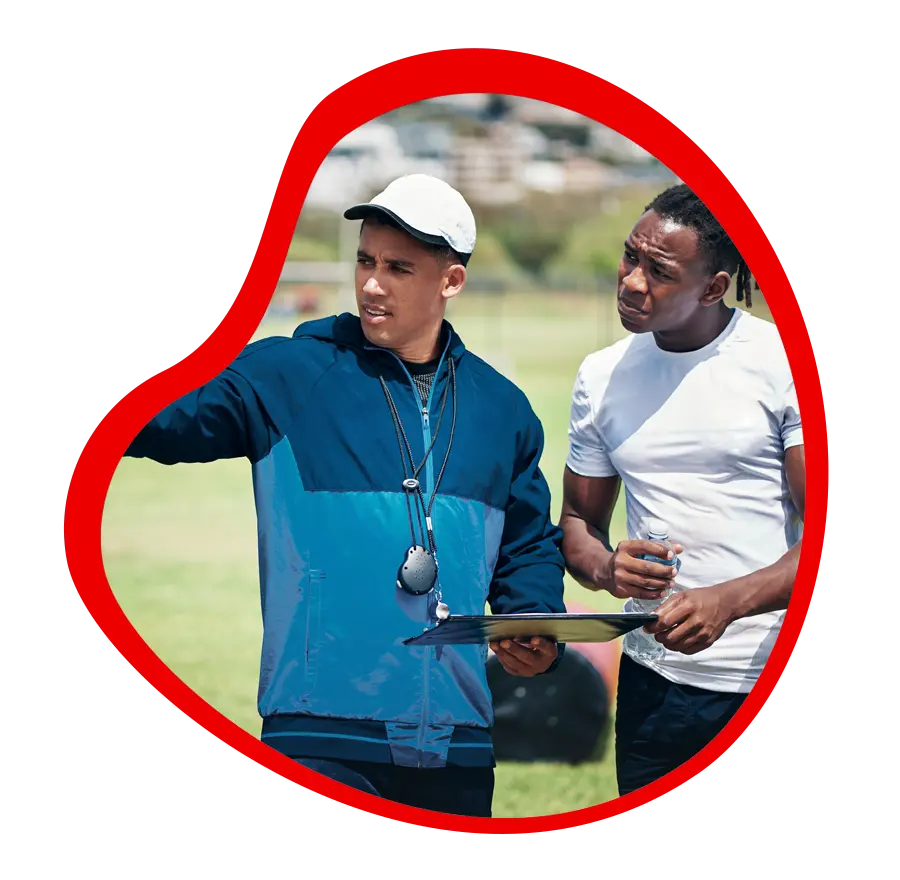
Our realistic and deliverable “Train the Trainer” programme equips exercise professionals with bespoke, evidence-based exercise physiology strategies tailored for chronic health conditions. We expand the knowledge base with practical tips, underpinned by behavioural science and the latest research.
Diabetes and exercise
- How exercise helps: Regular physical activity increases insulin sensitivity and supports blood glucose regulation, reducing the risk of complications
- Training focus: Advanced glycemic response training, hypo/hyperglycemia risk mitigation, and tailoring intensity across Type 1 and Type 2 diabetes.
- Training focus: Advanced glycemic response training, hypo/hyperglycemia risk mitigation, and tailoring intensity across Type 1 and Type 2 diabetes.
Cancer and Exercise
- How exercise helps: Improves fatigue levels, enhances physical function, supports immune health, and reduces recurrence risk.
- Training focus: Safe programme design across treatment phases (prehab, during, post-treatment), contraindications, and fatigue management.
- Training focus: Safe programme design across treatment phases (prehab, during, post-treatment), contraindications, and fatigue management.
Behaviour science and exercise
- How exercise helps: Understanding the psychology behind adherence increases programme success rates and client engagement.
- Training focus: Habit formation, motivational interviewing techniques, and cognitive-behavioural strategies to support behavioural change.
- Training focus: Habit formation, motivational interviewing techniques, and cognitive-behavioural strategies to support behavioural change.
Sport and disease
- How exercise helps: Strategic physical activity can both prevent and manage various diseases through improved cardiovascular and metabolic health.
- Training focus: Integrative methods for applying sport-specific drills to clinical settings, movement adaptations for safety, and goal-driven programme development.
- Training focus: Integrative methods for applying sport-specific drills to clinical settings, movement adaptations for safety, and goal-driven programme development.
Arthritis and exercise
- How exercise helps: Reduces joint stiffness, improves range of motion, strengthens muscles around joints, and alleviates pain.
- Training focus: Joint-friendly programme design, progressive load management, and exercise contraindications by arthritis type (e.g., osteo vs. rheumatoid).
- Training focus: Joint-friendly programme design, progressive load management, and exercise contraindications by arthritis type (e.g., osteo vs. rheumatoid).
Motivating the un-motivated
- How exercise helps: Exercise builds confidence, reduces anxiety, and creates positive behavioural momentum when paired with intrinsic motivation.
- Training focus: Psychosocial barriers, client readiness assessment, gamification, and personalised motivation plans using behaviour change theory.
- Training focus: Psychosocial barriers, client readiness assessment, gamification, and personalised motivation plans using behaviour change theory.
HEAT CIC can support the development of bite-sized online resources designed to spark interest and engagement. We can also help create accredited modules delivered through a blend of online and virtual learning. These initiatives can generate a sustainable income stream for your organisation while forming a distinctive and bespoke part of the HEAT CIC offer.